Introduction
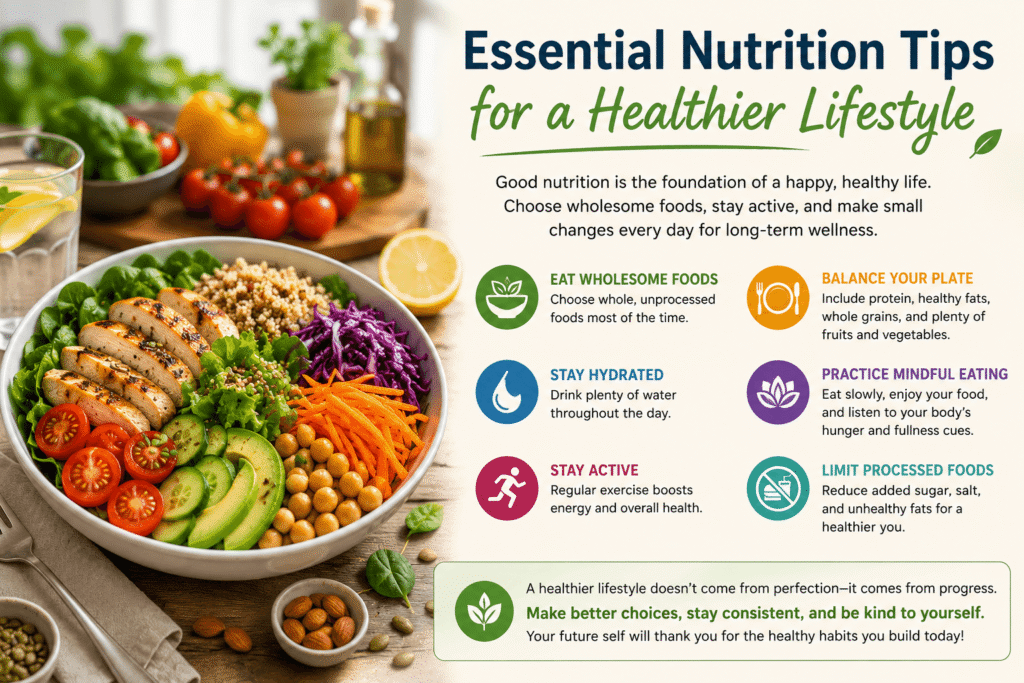
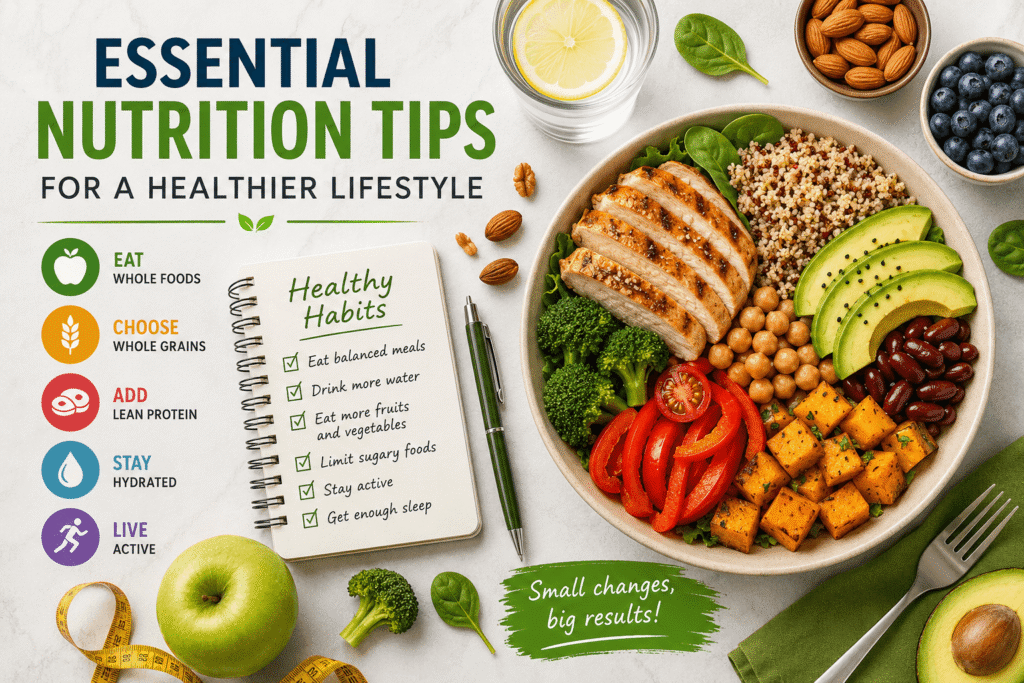
Essential nutrition tips are the foundation of a healthier lifestyle. Whether your goal is to increase energy, maintain a healthy weight, strengthen your immune system, or simply feel your best every day, good nutrition plays a vital role.
Many people believe eating healthy requires strict diets or expensive superfoods. In reality, lasting health comes from making smart, consistent food choices that fit your lifestyle. Small improvements—such as eating more vegetables, choosing whole grains, drinking enough water, and limiting processed foods—can lead to significant long-term health benefits.
Across the USA, Canada, Europe, and the UK, busy schedules often make healthy eating difficult. Fast food, processed snacks, and sugary beverages have become convenient options, but they may contribute to obesity, heart disease, diabetes, and low energy levels.
This guide shares practical, science-backed nutrition advice that is easy to understand and apply. Whether you’re just beginning your wellness journey or looking to improve your current habits, these essential nutrition tips will help you build a sustainable and healthier lifestyle.
Table of Contents
- Why Essential Nutrition Tips Matter
- Understanding the Basics of Good Nutrition
- Benefits of Healthy Eating
- Building Better Nutrition Habits
- Common Nutrition Mistakes
- Practical Nutrition Checklist
- Helpful Resources
- Frequently Asked Questions
- Final Thoughts
Why Essential Nutrition Tips Matter
Nutrition affects nearly every function of the human body. Every meal provides nutrients that support your brain, muscles, heart, immune system, digestive system, and overall well-being.
A healthy diet isn’t about perfection—it’s about consistency. Making better food choices most of the time can improve your quality of life while reducing the risk of chronic diseases.
Better Energy Throughout the Day
Food is your body’s fuel. Choosing nutrient-rich meals helps stabilize blood sugar levels and provides steady energy instead of the highs and crashes associated with sugary snacks.
For example:
- Oatmeal with berries provides long-lasting energy.
- Eggs supply high-quality protein.
- Greek yogurt supports muscle recovery.
- Nuts offer healthy fats and sustained fullness.
Instead of relying on energy drinks or multiple cups of coffee, balanced meals can naturally improve your focus and productivity.
Stronger Immune System
Your immune system depends on vitamins, minerals, antioxidants, and protein.
Foods rich in nutrients help your body fight infections and recover faster.
Examples include:
- Citrus fruits for Vitamin C
- Spinach for iron
- Yogurt for probiotics
- Almonds for Vitamin E
- Salmon for Omega-3 fatty acids
Improved Heart Health
Heart disease remains one of the leading causes of death worldwide. Fortunately, nutrition is one of the most effective ways to lower your risk.
Healthy habits include:
- Eating more vegetables
- Choosing whole grains
- Limiting sodium
- Reducing saturated fat
- Including healthy fats like olive oil and avocados
These habits may help improve cholesterol levels and maintain healthy blood pressure.
Better Mental Well-Being
Nutrition doesn’t only affect your body—it also influences your mood and cognitive performance.
Research suggests that diets rich in fruits, vegetables, whole grains, lean protein, and healthy fats are associated with better mental health outcomes.
Staying hydrated and avoiding excessive sugar may also improve concentration and reduce fatigue.
Understanding the Basics of Good Nutrition
Healthy eating becomes much easier once you understand what your body truly needs.
Rather than focusing on restrictive diets, aim for balance, variety, and moderation.
Macronutrients: Your Body's Main Fuel
Macronutrients are nutrients your body needs in larger amounts.
They include:
Protein
Protein supports:
- Muscle growth
- Tissue repair
- Hormone production
- Immune health
Healthy protein sources include:
- Chicken
- Turkey
- Fish
- Eggs
- Lentils
- Beans
- Tofu
- Greek yogurt
Adults should aim to include a quality protein source with each meal.
Healthy eating becomes much easier once you understand what your body truly needs.
Rather than focusing on restrictive diets, aim for balance, variety, and moderation.
Healthy Carbohydrates
Carbohydrates provide your body’s primary energy source.
Choose complex carbohydrates whenever possible.
Examples include:
- Brown rice
- Quinoa
- Oats
- Sweet potatoes
- Whole wheat bread
- Fruits
- Vegetables
Limit highly processed carbohydrates such as white bread, pastries, sugary cereals, and candy.
Healthy Fats
Healthy fats are essential for:
- Brain function
- Hormone production
- Vitamin absorption
- Heart health
Excellent sources include:
- Avocados
- Olive oil
- Walnuts
- Almonds
- Chia seeds
- Flaxseeds
- Fatty fish
Healthy fats should replace trans fats rather than add excess calories.
Micronutrients Matter Too
While needed in smaller amounts, vitamins and minerals are essential for maintaining good health.
Important micronutrients include:
Nutrient Why It Matters Food Sources
Vitamin C / Immune support / Oranges, kiwi, strawberries
Vitamin D / Bone health / Salmon, fortified milk
Calcium / Strong bones / Yogurt, cheese, leafy greens
Iron / Oxygen transport / Spinach, beans, lean beef
Magnesium / Muscle function / Nuts, seeds, whole grains
Potassium / Heart health / Bananas, potatoes, beans
Eating a colorful variety of fruits and vegetables helps ensure you get a broad range of essential nutrients.
Hydration Is Part of Nutrition
Many people overlook hydration when thinking about nutrition.
Water supports:
- Digestion
- Body temperature regulation
- Joint lubrication
- Nutrient transport
- Brain function
A simple goal is to drink water consistently throughout the day rather than waiting until you feel thirsty.
You can also stay hydrated by eating water-rich foods such as:
- Cucumbers
- Watermelon
- Tomatoes
- Oranges
- Lettuce
Building a Balanced Plate
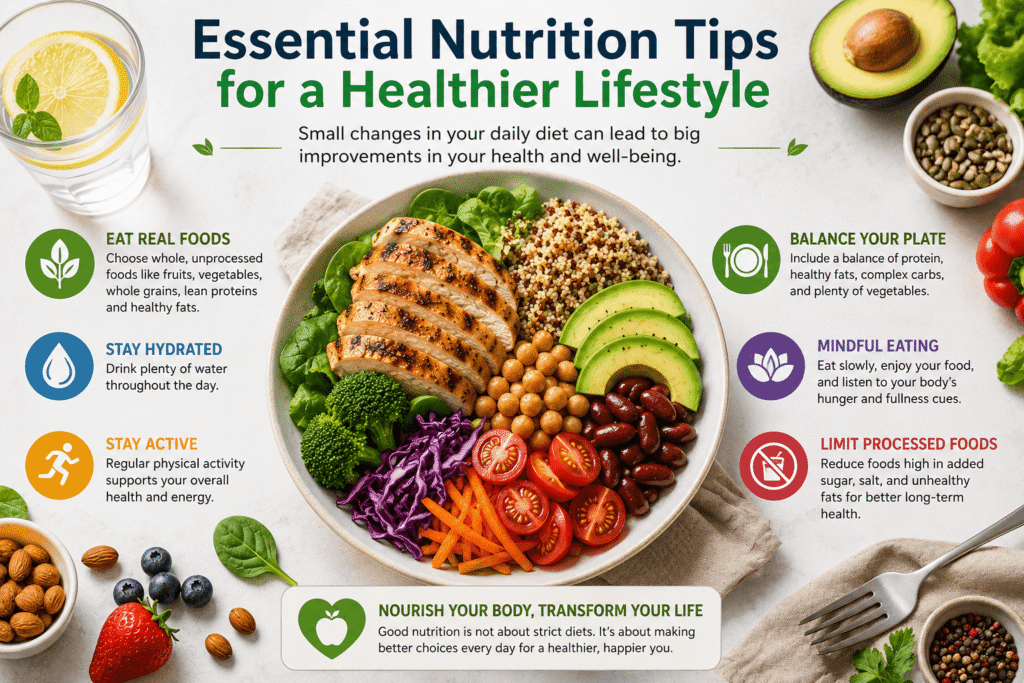
One of the easiest essential nutrition tips to follow is using the balanced plate method. Instead of counting calories obsessively, focus on filling your plate with the right proportions of nutrient-rich foods.
A simple guide is:
- ½ plate: Vegetables and fruits
- ¼ plate: Lean protein (chicken, fish, beans, tofu)
- ¼ plate: Whole grains (brown rice, quinoa, whole wheat pasta)
- Healthy fats: Add a small amount of olive oil, avocado, nuts, or seeds
This approach makes healthy eating practical, supports portion control, and ensures your body receives a wide range of nutrients without feeling restrictive.
Benefits of Following Essential Nutrition Tips
Applying essential nutrition tips consistently can transform your health over time. Healthy eating is not about achieving perfection—it’s about making better choices every day. These small, sustainable habits can improve your physical health, mental well-being, and overall quality of life.
1. Maintains a Healthy Weight
A balanced diet helps your body receive the nutrients it needs without consuming excessive calories. Instead of following restrictive diets, focus on portion control and nutrient-dense foods.
Healthy weight management becomes easier when you:
- Eat more fruits and vegetables
- Include lean protein in every meal
- Choose whole grains over refined carbohydrates
- Drink water instead of sugary beverages
- Limit highly processed foods
Maintaining a healthy weight can also reduce the risk of obesity, type 2 diabetes, and heart disease.
2. Supports Digestive Health
A healthy digestive system is essential for absorbing nutrients and maintaining overall wellness.
Foods that promote gut health include:
- Whole grains
- Fruits
- Vegetables
- Yogurt with live cultures
- Kefir
- Beans
- Lentils
- Chia seeds
Fiber plays a key role by supporting regular bowel movements and feeding beneficial gut bacteria.
Aim to increase your fiber intake gradually while drinking enough water.
3. Improves Brain Function
Your brain requires high-quality nutrition to perform at its best.
Healthy foods can help improve:
- Memory
- Focus
- Learning ability
- Mood
- Productivity
Brain-friendly foods include:
- Salmon
- Walnuts
- Blueberries
- Eggs
- Dark leafy greens
- Pumpkin seeds
Replacing sugary snacks with healthier alternatives can help prevent energy crashes during the day.
4. Promotes Better Sleep
Nutrition and sleep are closely connected.
Eating balanced meals throughout the day may help regulate your body’s internal clock.
To support better sleep:
- Avoid heavy meals late at night.
- Reduce caffeine intake in the afternoon.
- Limit sugary desserts before bedtime.
- Include magnesium-rich foods like almonds and spinach.
Quality sleep supports recovery, immunity, and mental health.
5. Reduces the Risk of Chronic Diseases
Healthy eating is one of the most effective ways to reduce the risk of long-term health conditions.
A nutritious diet may help lower the risk of:
- Heart disease
- Type 2 diabetes
- High blood pressure
- Stroke
- Certain cancers
- Obesity
Eating more plant-based foods and reducing processed food intake can have lasting health benefits.
Step-by-Step Guide to Building Healthy Eating Habits
Developing healthier eating habits doesn’t happen overnight. Instead of making drastic changes, focus on creating small habits you can maintain over the long term.
Step 1: Start Your Day with a Balanced Breakfast
Breakfast provides the energy your body needs after an overnight fast.
Healthy breakfast ideas include:
- Oatmeal with berries and nuts
- Greek yogurt with fruit
- Whole-grain toast with avocado and eggs
- Smoothies made with spinach, banana, and protein-rich yogurt
Avoid sugary cereals and pastries that can lead to mid-morning energy crashes.
Step 2: Fill Half Your Plate with Fruits and Vegetables
Colorful fruits and vegetables provide:
- Vitamins
- Minerals
- Fiber
- Antioxidants
Aim for a variety of colors because different colors provide different nutrients.
Examples include:
- Broccoli
- Carrots
- Bell peppers
- Tomatoes
- Blueberries
- Apples
- Leafy greens
Step 3: Choose Lean Protein
Protein helps keep you full and supports muscle repair.
Healthy protein choices include:
- Chicken breast
- Turkey
- Fish
- Eggs
- Lentils
- Chickpeas
- Tofu
- Cottage cheese
Include protein with each meal whenever possible.
Step 4: Choose Whole Grains
Replace refined grains with healthier options.
Instead of:
❌ White bread
Choose:
✅ Whole wheat bread
Instead of:
❌ White rice
Choose:
✅ Brown rice or quinoa
Whole grains contain more fiber and nutrients, helping you stay full longer.
Step 5: Stay Hydrated
Water is one of the simplest ways to support overall health.
Practical hydration tips:
- Carry a reusable water bottle.
- Drink a glass of water before meals.
- Flavor water with lemon or cucumber.
- Replace soda with sparkling water.
Proper hydration supports digestion, concentration, and physical performance.
Step 6: Plan Your Meals
Meal planning reduces unhealthy food choices and saves both time and money.
Simple meal planning tips:
- Plan meals every weekend.
- Create a grocery list.
- Prepare ingredients in advance.
- Cook extra portions for lunch.
- Freeze healthy meals for busy days.
Meal planning makes healthy eating much easier during hectic workweeks.
Smart Grocery Shopping Tips
Healthy eating starts before you enter the kitchen—it begins at the grocery store.
Use these strategies:
- Shop after eating, not when hungry.
- Read nutrition labels carefully.
- Choose foods with shorter ingredient lists.
- Buy seasonal fruits and vegetables.
- Compare sodium and sugar content.
- Choose whole-grain products.
Fresh, frozen, and canned vegetables can all be healthy choices when they contain little or no added salt or sugar.
Healthy Snacking the Smart Way
Snacking isn’t unhealthy if you choose nutritious options.
Healthy snack ideas include:
- Apple slices with peanut butter
- Greek yogurt with berries
- Mixed nuts
- Carrot sticks with hummus
- Cottage cheese
- Hard-boiled eggs
- Air-popped popcorn
- Fresh fruit
Avoid snacks high in added sugar, trans fats, and excess sodium.
Lifestyle Habits That Support Good Nutrition
Healthy eating works best when combined with other positive lifestyle habits.
Exercise Regularly
Aim for at least 150 minutes of moderate physical activity each week.
Examples include:
- Walking
- Cycling
- Swimming
- Strength training
- Yoga
Manage Stress
Chronic stress often leads to unhealthy eating habits.
Healthy stress-management techniques include:
- Meditation
- Deep breathing
- Reading
- Spending time outdoors
- Journaling
Get Enough Sleep
Adults generally need 7–9 hours of quality sleep each night.
Poor sleep may increase cravings for high-calorie, sugary foods.
Creating a consistent bedtime routine can support both better sleep and healthier food choices.
Practice Mindful Eating
Instead of eating while distracted:
- Sit at the table.
- Eat slowly.
- Chew thoroughly.
- Notice hunger and fullness cues.
- Enjoy the flavors of your food.
Mindful eating can improve digestion and help prevent overeating.
Common Nutrition Mistakes to Avoid
Even people with good intentions can develop habits that make healthy eating more difficult. Recognizing these mistakes is the first step toward building a healthier lifestyle.
Skipping Meals
Skipping breakfast or lunch often leads to overeating later in the day. Try to eat balanced meals at regular intervals to maintain steady energy levels.
Drinking Your Calories
Sugary drinks such as soda, sweetened coffee beverages, and energy drinks can add hundreds of extra calories without making you feel full. Choose water, herbal tea, or unsweetened beverages whenever possible.
Ignoring Portion Sizes
Even healthy foods can contribute to excess calorie intake if portions are too large. Use smaller plates, measure servings occasionally, and listen to your body’s hunger signals.
Relying on Processed Foods
Convenience foods are often high in sodium, added sugars, and unhealthy fats. Whenever possible, prepare meals using fresh, whole ingredients.
Following Fad Diets
Quick-fix diets may promise rapid results, but they are often difficult to maintain and can lead to nutrient deficiencies. Focus on sustainable eating habits instead of restrictive trends.
Forgetting to Read Food Labels
Nutrition labels can help you identify hidden sugars, sodium, and unhealthy fats. Comparing products before buying is a simple way to make healthier choices.
Practical Nutrition Checklist
Use this simple checklist to stay on track with your healthy eating goals. You don’t have to be perfect every day—consistency is what matters.
Daily Nutrition Checklist
✔ Fill half your plate with fruits and vegetables.
✔ Include lean protein with every meal.
✔ Choose whole grains instead of refined grains.
✔ Drink 6–8 glasses of water (or more based on your activity level and climate).
✔ Limit foods high in added sugar, saturated fat, and sodium.
✔ Include healthy fats such as olive oil, nuts, seeds, and avocados.
✔ Eat a variety of colorful fruits and vegetables to ensure a wide range of vitamins and minerals.
✔ Read nutrition labels before purchasing packaged foods.
✔ Practice mindful eating by slowing down and avoiding distractions during meals.
✔ Plan your meals and snacks ahead of time to reduce unhealthy choices.
✔ Stay physically active for at least 150 minutes per week.
✔ Get 7–9 hours of quality sleep every night to support overall health.
Following these essential nutrition tips consistently can help improve your energy, support long-term wellness, and reduce the risk of chronic diseases.
Ready-to-Use Call-to-Action (CTA)
Healthy living starts with small, consistent changes. By applying these essential nutrition tips, you can improve your energy, support your immune system, and build habits that last a lifetime.
Looking for more practical health advice? Visit Daily Nutrition Tips for expert-backed articles, meal planning ideas, healthy recipes, and wellness guides designed to help you make smarter nutrition choices every day.
 Start your healthy lifestyle journey today by exploring more free nutrition resources on Daily Nutrition Tips and take the first step toward better health.
Frequently Asked Questions (FAQs)
1. What are the most essential nutrition tips for beginners?
Start with the basics: eat a balanced diet, include more fruits and vegetables, choose whole grains, eat lean protein, stay hydrated, and limit processed foods. Making small, sustainable changes is often more effective than following strict diets.
2. How can I improve my eating habits without following a strict diet?
Focus on building healthy habits instead of restricting foods. Plan your meals, control portion sizes, choose nutritious snacks, drink enough water, and enjoy occasional treats in moderation.
3. How much water should I drink each day?
Water needs vary depending on age, activity level, climate, and overall health. A general guideline is around 2–3 liters (8–12 cups) per day, but individual requirements may differ. Drinking water regularly throughout the day is the best approach.
4. Why are whole foods better than processed foods?
Whole foods are naturally rich in vitamins, minerals, fiber, and antioxidants while generally containing fewer added sugars, unhealthy fats, and artificial ingredients. They provide better nutritional value and help support long-term health.
5. Can healthy eating improve energy levels?
Yes. A balanced diet that includes complex carbohydrates, lean protein, healthy fats, and plenty of fruits and vegetables provides steady energy throughout the day. Proper hydration and regular meals also help reduce fatigue and improve concentration.
Conclusion
Good nutrition isn’t about perfection—it’s about making smarter choices every day. By following these essential nutrition tips, you can build a healthier lifestyle that supports your physical health, mental well-being, and long-term wellness.
Remember that lasting results come from consistency rather than quick fixes. Start with one or two small changes, such as drinking more water, adding vegetables to your meals, or planning healthy snacks. As these habits become part of your routine, you’ll find it easier to make healthier choices every day.
Whether your goal is to increase energy, manage your weight, strengthen your immune system, or simply feel your best, a balanced diet is one of the most powerful investments you can make in your future health.
At Daily Nutrition Tips, we’re committed to providing practical, evidence-based nutrition advice to help you live a healthier, happier life. Explore our growing collection of wellness articles, healthy recipes, and expert guides to continue your journey toward better nutrition.