Introduction
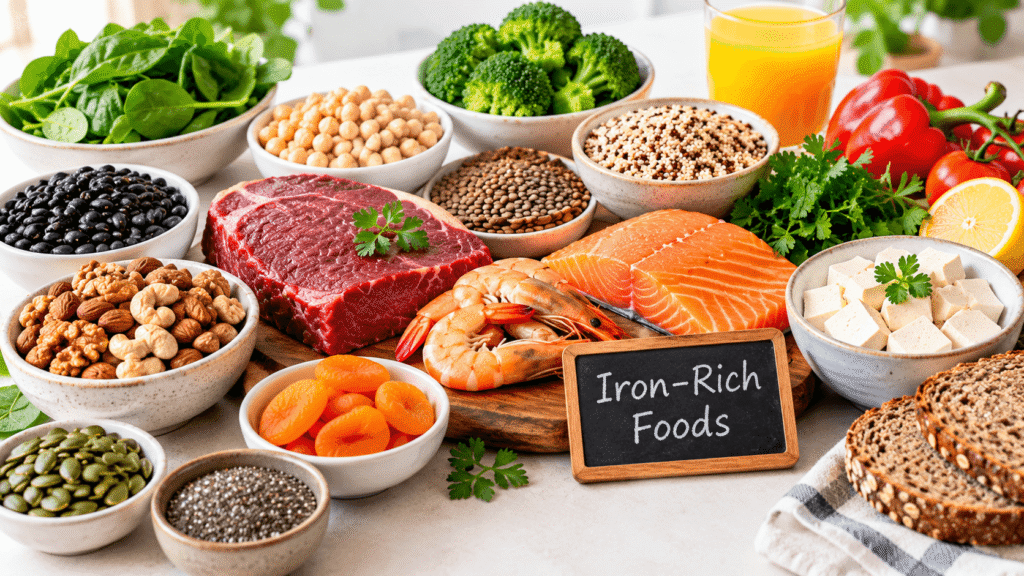
Iron-rich foods are an important part of a balanced diet because iron helps the body make hemoglobin, the protein in red blood cells that carries oxygen throughout the body. When your diet does not provide enough iron, you may become more likely to develop iron deficiency, especially if your body has increased needs or you lose iron through blood loss.
Fortunately, there are many ways to add iron to everyday meals. Lean meat and seafood provide highly absorbable heme iron, while beans, lentils, leafy greens, nuts, seeds, and fortified grains provide nonheme iron. Pairing plant-based iron sources with vitamin C-rich foods can also help your body absorb more nonheme iron.
Whether you eat meat, follow a vegetarian diet, or simply want to improve your overall nutrition, choosing a variety of iron-rich foods can make your meals more nutrient-dense.
Table of Contents
- Why Iron Is Important for Your Health
- Best Iron-Rich Foods to Add to Your Diet
- Heme vs. Nonheme Iron
- Iron-Rich Foods for Vegetarians and Vegans
- How to Improve Iron Absorption
- Iron Needs at Different Life Stages
- Common Iron Intake Mistakes to Avoid
- Simple Iron-Rich Meal Ideas
- Practical Iron-Rich Foods Checklist
- Frequently Asked Questions
- Conclusion
Why Iron-Rich Foods Are Important for Your Health
Iron is an essential mineral involved in oxygen transport, energy metabolism, cell function, and other biological processes. Your body needs enough iron to maintain normal red blood cell production and support healthy oxygen delivery.
When iron intake remains too low, iron stores can fall. If deficiency becomes significant, iron-deficiency anemia may develop.
Possible symptoms can include:
- Tiredness or low energy
- Shortness of breath
- Headaches
- Pale skin
- Noticeable heartbeats
- Weakness
- Difficulty concentrating
The NHS notes that iron-deficiency anemia can also be associated with symptoms such as hair loss, restless legs, unusual food cravings, and changes to the nails.
However, these symptoms can have many causes. If you suspect an iron deficiency, it is better to speak with a healthcare professional rather than assuming that diet alone is responsible.
Best Iron-Rich Foods to Add to Your Diet
A varied diet can provide iron from both animal and plant sources. The best choices depend on your dietary preferences, nutritional needs, and overall eating pattern.
1. Lean Red Meat
Lean beef and other lean meats are concentrated sources of heme iron, which the body generally absorbs more efficiently than nonheme iron.
You can include lean beef in meals such as:
- Stir-fries with vegetables
- Bean and beef chili
- Grain bowls
- Healthy tacos
- Vegetable-based stews
Choose lean cuts and keep portions appropriate for your overall dietary pattern.
2. Shellfish and Seafood
Seafood can be an excellent source of iron. Some shellfish, particularly oysters, are especially rich in iron. The NIH lists oysters among the notable dietary sources of iron.
Other seafood options can also contribute valuable nutrients, making them useful additions to a balanced diet.
3. Lentils
Lentils are one of the most practical plant-based iron-rich foods. They are also sources of protein and fiber, making them particularly useful for vegetarian and vegan meals.
Try adding lentils to:
- Soups
- Curries
- Salads
- Grain bowls
- Vegetable stews
For better nonheme iron absorption, combine lentils with foods containing vitamin C.
4. Beans
Kidney beans, white beans, chickpeas, black beans, and other legumes can contribute iron to the diet.
Beans are especially convenient because canned varieties can be rinsed and added quickly to salads, soups, wraps, and rice dishes.
5. Iron-Fortified Breakfast Cereals
Fortified breakfast cereals can be an easy way to increase dietary iron. Some fortified cereals provide a substantial amount of the daily value in one serving.
Check the Nutrition Facts label because iron content varies considerably between products.
For a more balanced breakfast, combine an iron-fortified cereal with fruit, nuts, seeds, or another nutritious food.
6. Spinach and Dark Leafy Greens
Spinach, kale, and other dark leafy greens can contribute nonheme iron along with folate, vitamin C, vitamin K, and other nutrients.
However, the amount of iron your body absorbs from spinach is not the same as the amount listed on the nutrition label. Some plant compounds can reduce iron bioavailability.
That does not mean you should avoid spinach. Instead, include it as part of a varied diet and combine it with other iron sources.
7. Tofu and Soy Foods
Tofu, soybeans, and other soy foods can provide iron while also contributing plant protein.
For people following vegetarian or vegan diets, tofu can be particularly useful in stir-fries, curries, salads, wraps, and grain bowls.
8. Nuts and Seeds
Nuts and seeds can provide smaller amounts of iron while adding healthy fats, protein, and other nutrients.
Useful options include:
- Pumpkin seeds
- Sesame seeds
- Cashews
- Almonds
- Sunflower seeds
Sprinkle seeds over oatmeal, yogurt, salads, or grain bowls for an easy nutritional boost.
9. Dried Fruit
Dried apricots, raisins, and prunes contain iron and can be convenient snacks.
Because dried fruit is concentrated in natural sugars and calories, keep portions moderate. Pairing dried fruit with nuts can create a more filling snack.
10. Fortified Breads and Grain Products
Iron-fortified breads and grain products can contribute significantly to overall iron intake. In the United States, fortified grain products are an important source of dietary iron.
Check product labels to identify foods that provide meaningful amounts of iron.
Heme vs. Nonheme Iron: What Is the Difference?
Dietary iron comes in two main forms: heme iron and nonheme iron.
Heme iron is found mainly in meat and seafood and is generally more bioavailable.
Nonheme iron is found in plant foods and fortified foods. Its absorption is more strongly affected by other foods and compounds in the meal.
This distinction does not mean plant-based diets cannot provide enough iron. Instead, people who rely primarily on plant sources should pay attention to food combinations and overall dietary variety.
Iron-Rich Foods for Vegetarians and Vegans
You do not need to eat meat to include plenty of iron-rich foods in your diet.
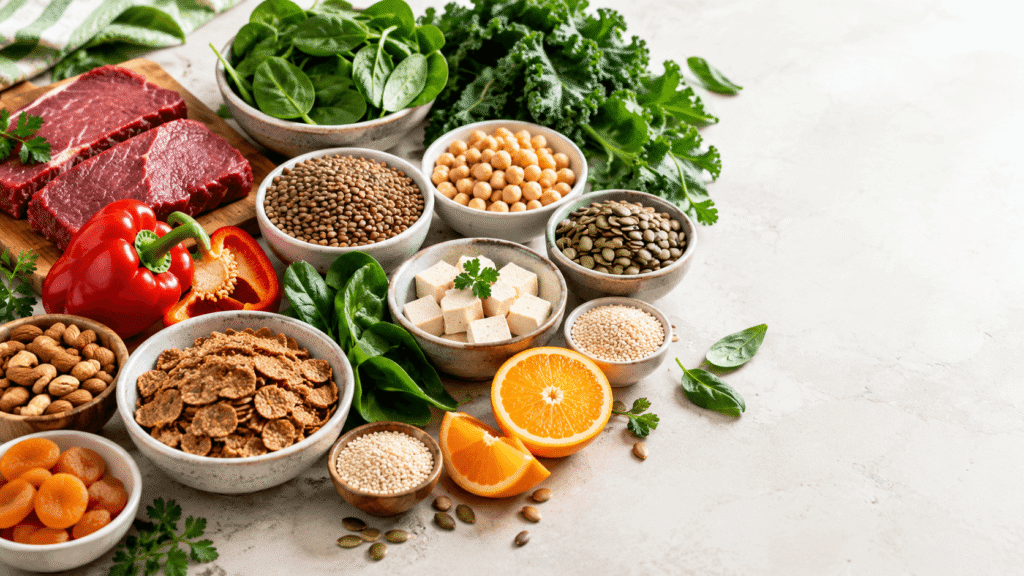
Good plant-based options include:
- Lentils
- Chickpeas
- Kidney beans
- Black beans
- Tofu
- Soybeans
- Pumpkin seeds
- Sesame seeds
- Fortified breakfast cereals
- Fortified breads
- Spinach
- Other leafy greens
- Dried apricots and raisins
The key is consistency. Instead of relying on one “superfood,” include several iron-containing foods throughout the week.
How to Improve Iron Absorption
Choosing an iron-rich food is only part of the equation. Your body also needs to absorb the iron effectively.
Pair Iron-Rich Foods With Vitamin C
Vitamin C can improve absorption of nonheme iron from plant foods.
Try combinations such as:
- Lentils + tomatoes
- Chickpeas + bell peppers
- Spinach + strawberries
- Beans + salsa
- Tofu + broccoli
- Fortified cereal + berries
- Beans + citrus fruit
These combinations are simple and work well in everyday meals.
Be Mindful of Tea and Coffee Around Iron-Rich Meals
Tea and coffee contain compounds that can reduce nonheme iron absorption. Research suggests this effect is particularly relevant for people who are already at risk of iron deficiency.
You do not necessarily need to stop drinking tea or coffee. Instead, if iron status is a concern, consider having these drinks between meals rather than directly with an iron-focused meal.
Consider Calcium Timing
Calcium may interfere with iron absorption in some circumstances. The effect is more important to consider when someone is taking iron supplements or has a known deficiency.
This does not mean you should avoid calcium-rich foods. Calcium remains an important nutrient. If you have been prescribed iron or calcium supplements, ask your healthcare professional about appropriate timing.
Iron Needs at Different Life Stages
Iron requirements vary depending on age, sex, and life stage.
According to the NIH, adult men ages 19–50 generally need 8 mg of iron per day, while women ages 19–50 generally need 18 mg. Pregnancy increases the recommended amount to 27 mg per day. Adults 51 and older generally need 8 mg per day.
People who menstruate, are pregnant, donate blood frequently, or have certain health conditions may have a higher risk of iron deficiency.
Common Iron-Rich Foods Mistakes to Avoid
Even people who eat nutritious foods can make mistakes that reduce their overall iron intake or absorption.
Mistake 1: Eating Only One Iron Source
Do not rely exclusively on spinach, red meat, or one fortified cereal.
A varied diet provides different forms of iron and other nutrients.
Mistake 2: Ignoring Vitamin C
Adding a vitamin C-rich fruit or vegetable to a plant-based iron meal is an easy strategy for improving nonheme iron absorption.
Mistake 3: Assuming Fatigue Always Means Low Iron
Fatigue has many possible causes. Iron deficiency should be confirmed by appropriate medical evaluation rather than self-diagnosed.
Mistake 4: Taking High-Dose Iron Without Advice
More iron is not always better. Excessive iron supplementation can cause side effects and may be harmful in certain circumstances. The NIH lists 45 mg per day as the adult upper limit from all sources, although healthcare professionals may prescribe higher amounts temporarily for diagnosed deficiency.
If you think you need an iron supplement, speak with a doctor or qualified dietitian.
Simple Iron-Rich Meal Ideas
Making meals around iron-containing ingredients does not have to be complicated.
Breakfast
Try an iron-fortified breakfast cereal with berries and a handful of nuts.
Lunch
Make a lentil and spinach salad with tomatoes, bell peppers, lemon juice, and whole-grain bread.
Dinner
Prepare lean beef with beans, tomatoes, peppers, and brown rice.
Vegetarian Dinner
Try tofu stir-fried with broccoli, bell peppers, leafy greens, and a whole-grain side.
Snack
Combine a small serving of dried apricots with pumpkin seeds or another nutrient-dense snack.
These combinations provide a practical way to include iron-rich foods while also adding protein, fiber, vitamin C, and other important nutrients.
Practical Iron-Rich Foods Checklist
Use this simple checklist when planning your weekly meals:
- Include an iron source at several meals.
- Eat beans, lentils, tofu, or fortified foods regularly if you follow a plant-based diet.
- Include lean meat or seafood if they fit your eating pattern.
- Add vitamin C-rich fruits or vegetables to plant-based iron meals.
- Check labels on fortified cereals and breads.
- Avoid routinely drinking tea or coffee directly with iron-focused meals if you are at risk of deficiency.
- Keep your diet varied rather than relying on one food.
- Ask a healthcare professional about persistent fatigue or suspected deficiency.
- Do not start high-dose iron supplements without appropriate advice.
Take Action: Improve Your Everyday Nutrition
A healthy diet does not have to be complicated. Start by adding one or two iron-rich foods to meals you already enjoy, then build variety over time.
At Daily Nutrition Tips, our goal is to make practical nutrition information easier to understand and apply in everyday life.
[CTA: Encourage readers to explore more nutrition guides on Daily Nutrition Tips and choose practical food-based strategies that fit their lifestyle.]
If you have ongoing fatigue, heavy menstrual bleeding, digestive problems, a diagnosed deficiency, or another reason to suspect low iron, speak with a healthcare professional for personalized advice and appropriate testing.
Frequently Asked Questions
What are the best iron-rich foods?
Some of the best iron-rich foods include lean meat, seafood, lentils, beans, tofu, fortified cereals, leafy greens, nuts, seeds, and dried fruits. The best choices depend on your dietary preferences and individual nutritional needs.
Which foods are high in iron but suitable for vegetarians?
Vegetarians can get iron from lentils, beans, chickpeas, tofu, soy foods, pumpkin seeds, sesame seeds, fortified cereals, fortified breads, leafy greens, and dried fruit.
Combining these foods with vitamin C-rich vegetables or fruits can help improve absorption of nonheme iron.
What should I eat with iron-rich foods to improve absorption?
Vitamin C-rich foods can improve the absorption of nonheme iron. Try pairing beans, lentils, tofu, or fortified grains with foods such as bell peppers, tomatoes, broccoli, strawberries, oranges, or kiwi.
Can tea and coffee affect iron absorption?
Yes. Tea and coffee contain compounds that can reduce the absorption of nonheme iron. This is especially relevant for people who are at risk of iron deficiency. Having tea or coffee between meals instead of with an iron-focused meal may help.
Can iron-rich foods prevent iron deficiency?
Eating a varied diet containing adequate iron can help support normal iron intake. However, diet alone may not correct every case of iron deficiency. Blood loss, pregnancy, absorption problems, and certain medical conditions can contribute to deficiency. If you suspect low iron, seek professional medical advice.
Conclusion
Including a variety of iron-rich foods is a practical way to support adequate iron intake and a balanced diet. Lean meats and seafood provide highly bioavailable heme iron, while lentils, beans, tofu, leafy greens, nuts, seeds, and fortified foods provide valuable nonheme iron.
For plant-based meals, pairing iron sources with vitamin C-rich foods can improve nonheme iron absorption. At the same time, people who are concerned about iron deficiency should not rely on symptoms alone or take high-dose supplements without professional guidance.
Small, consistent food choices can make a meaningful difference. Add more iron-rich foods to your regular meals, keep your diet varied, and seek appropriate medical advice when deficiency is suspected.