Introduction
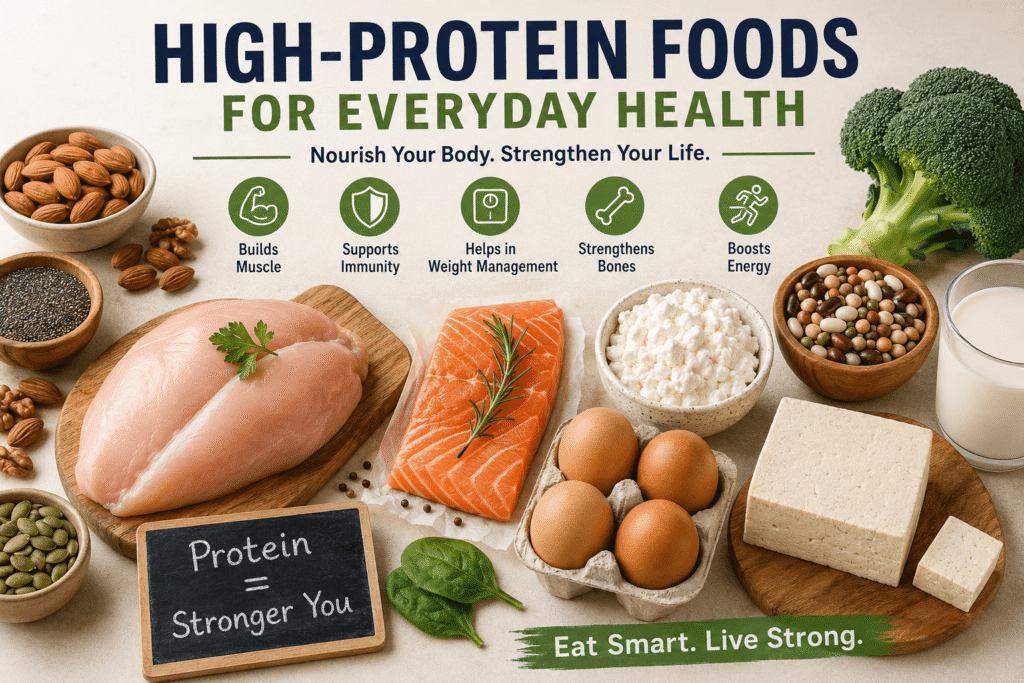
Choosing the right High-Protein Foods for Everyday Health is one of the smartest ways to improve your overall well-being. Protein is much more than a nutrient for athletes or bodybuilders—it plays a vital role in building and repairing muscles, supporting your immune system, producing hormones, and helping you stay energized throughout the day.
Whether you’re trying to maintain a healthy weight, build lean muscle, recover after exercise, or simply eat a more balanced diet, adding protein-rich foods to your daily meals can make a noticeable difference. From lean meats and seafood to beans, lentils, dairy products, nuts, and seeds, there are plenty of delicious options to suit different lifestyles and dietary preferences.
For people across the USA, Canada, Europe, and the UK, healthy eating habits are becoming more important than ever. Busy schedules, processed foods, and inconsistent meal patterns often make it difficult to meet daily nutritional needs. Fortunately, choosing high-quality protein sources is a practical and sustainable way to support long-term health without following restrictive diets.
In this guide, you’ll discover what high-protein foods are, why they matter, the best protein sources to include in your meals, common mistakes to avoid, and practical tips to help you make healthier choices every day.
Table of Contents
- Why High-Protein Foods Matter
- What Are High-Protein Foods?
- Health Benefits of High-Protein Foods
- Best High-Protein Foods to Eat
- Animal vs. Plant Protein
- How Much Protein Do You Need?
- Tips for Adding More Protein to Your Diet
- Common Mistakes to Avoid
- Healthy Protein Checklist
- Frequently Asked Questions
- Conclusion
Why High-Protein Foods for Everyday Health Matter
Protein is one of the three essential macronutrients your body needs every day. Unlike vitamins and minerals, your body requires a steady intake of protein because it is constantly used to repair tissues, produce enzymes, create hormones, and support countless biological functions.
A diet rich in High-Protein Foods for Everyday Health can help people of all ages maintain strength, improve energy levels, and support healthy aging. Protein is especially important for children during growth, adults with active lifestyles, and older individuals who want to preserve muscle mass and mobility.
Some of the biggest reasons protein matters include:
- Supports muscle growth and repair
- Helps maintain healthy bones
- Keeps you feeling full for longer
- Stabilizes energy throughout the day
- Supports immune function
- Aids recovery after physical activity
- Promotes healthy skin, hair, and nails
Research also suggests that meals containing adequate protein may reduce unnecessary snacking by increasing satiety, making it easier to manage calorie intake and maintain a healthy weight.
Example: Instead of starting your morning with sugary cereal alone, pairing Greek yogurt with berries and nuts provides protein, fiber, and healthy fats that keep you satisfied longer.
Tip: Spread your protein intake evenly throughout the day instead of consuming most of it at dinner. This supports better muscle protein synthesis and sustained energy.
What Are High-Protein Foods?
High-protein foods are foods that provide a significant amount of protein relative to their calorie content. They can come from both animal and plant sources, allowing people with different dietary preferences to meet their daily protein needs.
Protein is made up of amino acids, often referred to as the building blocks of life. Nine of these amino acids are considered essential because the body cannot produce them on its own. Foods that contain all nine essential amino acids are known as complete proteins.
Animal-Based High-Protein Foods
Animal proteins are considered complete proteins because they naturally contain all essential amino acids.
Examples include:
- Chicken breast
- Turkey
- Lean beef
- Eggs
- Salmon
- Tuna
- Greek yogurt
- Cottage cheese
- Milk
- Cheese
These foods are also rich in important nutrients such as vitamin B12, iron, zinc, calcium, and omega-3 fatty acids, depending on the source.
Plant-Based High-Protein Foods
Plant proteins are excellent choices for vegetarians, vegans, and anyone looking to diversify their diet.
Popular options include:
- Lentils
- Chickpeas
- Black beans
- Kidney beans
- Tofu
- Tempeh
- Edamame
- Quinoa
- Chia seeds
- Hemp seeds
- Pumpkin seeds
- Almonds
- Peanuts
Combining a variety of plant proteins throughout the day helps provide a complete amino acid profile while also delivering fiber, antioxidants, and heart-healthy nutrients.
Top Benefits of High-Protein Foods for Everyday Health
Eating High-Protein Foods for Everyday Health offers far more than muscle support. A protein-rich diet contributes to many aspects of physical and mental well-being, making it a cornerstone of balanced nutrition.
High-Protein Foods That Help Build Muscle
Protein provides the amino acids needed to build and repair muscle tissue. Whether you’re exercising regularly or simply staying active, adequate protein intake helps maintain strength and supports recovery.
Helps Control Appetite
Protein-rich meals digest more slowly than refined carbohydrates, helping you feel fuller for longer. This can reduce unnecessary snacking and support healthy weight management.
Promotes Healthy Aging
As we age, preserving muscle mass becomes increasingly important. Consuming enough protein, along with regular physical activity, can help maintain mobility, balance, and independence.
Supports Bone Health
Protein works alongside calcium and vitamin D to support strong bones. Balanced protein intake is associated with better bone density, especially when combined with resistance exercise.
Improves Daily Energy
Balanced meals that include protein can help stabilize blood sugar levels and provide more consistent energy throughout the day, reducing the highs and lows associated with sugary foods.
Strengthens the Immune System
Many immune cells and antibodies rely on protein for proper function. A diet rich in quality protein supports your body’s natural defense system.
By making High-Protein Foods for Everyday Health a regular part of your diet, you can support muscle maintenance, healthy metabolism, improved satiety, and overall wellness—without relying on fad diets or complicated meal plans.
Best High-Protein Foods for Everyday Health
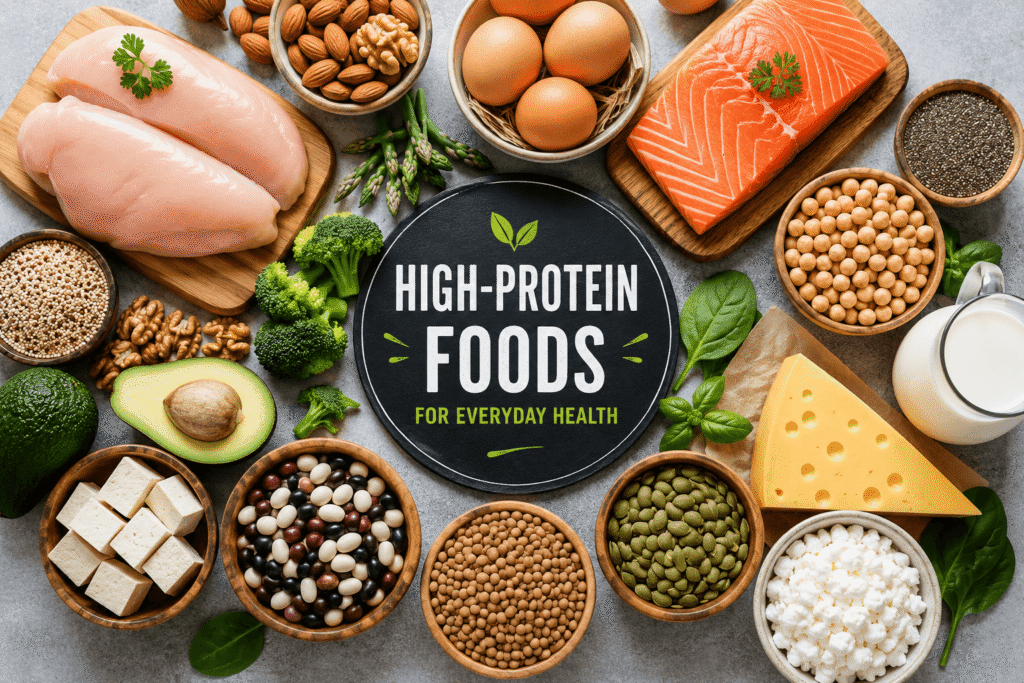
Adding a variety of High-Protein Foods for Everyday Health to your weekly meal plan helps ensure you get essential amino acids, vitamins, and minerals. Choosing whole, minimally processed foods is the best way to support long-term health.
1. Chicken Breast
Chicken breast is one of the most popular lean protein sources because it’s versatile, affordable, and low in saturated fat.
Protein: About 31g per 100g
Benefits
- Supports muscle growth and repair
- Low in fat when skinless
- Rich in niacin and vitamin B6
- Easy to prepare for meal prep
Healthy meal idea: Grill sliced chicken breast and serve it with quinoa and roasted vegetables for a balanced dinner.
2. Salmon
Salmon offers high-quality protein while also providing heart-healthy omega-3 fatty acids.
Protein: About 25g per 100g
Benefits
- Supports brain and heart health
- Helps reduce inflammation
- Rich in vitamin D and selenium
- Excellent for active lifestyles
Healthy meal idea: Baked salmon with steamed broccoli and sweet potatoes.
3. Eggs
Eggs are among the most nutritious foods available and provide complete protein.
Protein: About 6–7g per large egg
Benefits
- Contains all essential amino acids
- Supports eye health
- Budget-friendly
- Suitable for breakfast, lunch, or dinner
Healthy meal idea: Vegetable omelet with spinach, mushrooms, and tomatoes.
4. Greek Yogurt
Greek yogurt contains nearly twice as much protein as regular yogurt while also supplying calcium and probiotics.
Protein: Around 17–20g per serving
Benefits
- Supports digestive health
- Helps maintain muscle
- Great snack option
- High in calcium
Healthy meal idea: Greek yogurt topped with berries, walnuts, and chia seeds.
5. Lentils
Lentils are an excellent plant-based protein packed with fiber and iron.
Protein: About 18g per cooked cup
Benefits
- Supports heart health
- Helps stabilize blood sugar
- Budget-friendly
- Naturally high in fiber
Healthy meal idea: Lentil soup with whole-grain bread and a mixed salad.
6. Chickpeas
Chickpeas are ideal for salads, curries, soups, and homemade hummus.
Protein: Around 15g per cooked cup
Benefits
- Rich in fiber
- Supports digestive health
- Keeps you feeling full longer
- Easy to include in many recipes
7. Cottage Cheese
- High in calcium
- Low in carbohydrates
- Supports recovery after exercise
- Convenient snack
8. Tofu and Tempeh
- Complete plant protein
- Rich in iron
- Low in saturated fat
- Suitable for many cuisines
Animal Protein vs. Plant Protein
Both animal and plant proteins have important roles in a balanced diet. Instead of viewing one as “better,” aim for variety based on your health goals and dietary preferences.
Animal Protein Plant Protein
Chicken Lentils
Turkey Chickpeas
Fish Tofu
Eggs Tempeh
Greek yogurt Quinoa
Cottage cheese Beans
Lean beef Edamame
- Complete amino acid profile
- Rich in vitamin B12
- Highly bioavailable
- Excellent for muscle recovery
- High in fiber
- Supports heart health
- Lower in saturated fat
- Better for digestive health
- More environmentally sustainable
How to Add High-Protein Foods to Your Everyday Health Routine
Protein requirements vary depending on age, activity level, and overall health.
General recommendations include:
- Average adults: Approximately 0.8 grams per kilogram of body weight daily.
- Active individuals: Around 1.2–2.0 grams per kilogram, depending on training intensity.
- Older adults: May benefit from a higher intake to help preserve muscle mass.
Rather than consuming most of your protein in one meal, try spreading it evenly throughout the day. Including protein at breakfast, lunch, dinner, and snacks can support muscle maintenance and keep you feeling satisfied.
Example daily pattern:
- Breakfast: Greek yogurt with berries and nuts
- Lunch: Grilled chicken salad
- Snack: Cottage cheese or roasted chickpeas
- Dinner: Baked salmon with vegetables
- Evening snack: A handful of almonds
Best Practices for Adding More High-Protein Foods to Your Diet
Making small, sustainable changes is often more effective than overhauling your diet overnight.
Start Your Day with Protein
Choose breakfasts that include eggs, Greek yogurt, cottage cheese, or a protein-rich smoothie instead of sugary cereals.
Build Balanced Plates
Aim to include:
- Lean protein
- Whole grains
- Colorful vegetables
- Healthy fats
This combination promotes fullness, stable energy, and better overall nutrition.
Choose Smart Snacks
Instead of reaching for processed snacks, consider:
- Hard-boiled eggs
- Mixed nuts
- Greek yogurt
- Roasted chickpeas
- Cottage cheese
- Hummus with vegetables
Plan Meals Ahead
Meal planning can help you consistently include High-Protein Foods for Everyday Health throughout the week and reduce reliance on convenience foods.
Common Mistakes When Choosing High-Protein Foods
Even healthy eating habits can be undermined by common mistakes. Keep these in mind when increasing your protein intake.
Only Eating Protein at Dinner
Distribute protein across all meals to support steady energy and muscle maintenance.
Ignoring Fiber
Protein is important, but meals should also include vegetables, fruits, and whole grains for fiber and essential nutrients.
Choosing Highly Processed Protein Foods
Protein bars and processed meats may be convenient but often contain excess sodium, sugar, or preservatives. Prioritize whole-food sources whenever possible.
Forgetting Hydration
Higher protein intake can increase your body’s need for fluids. Drinking enough water supports digestion and overall health.
Relying on One Protein Source
Eating a variety of protein-rich foods provides a broader range of nutrients and keeps meals enjoyable.
Practical Checklist for Eating High-Protein Foods Every Day
Use this checklist to build healthier eating habits:
✅ Include a protein source at every meal.
✅ Choose lean meats or plant-based proteins most often.
✅ Eat fish at least twice per week if appropriate.
✅ Add beans or lentils to soups and salads.
✅ Replace sugary snacks with protein-rich alternatives.
✅ Drink enough water throughout the day.
✅ Read nutrition labels when buying packaged foods.
✅ Prepare healthy meals in advance.
✅ Balance protein with fruits, vegetables, whole grains, and healthy fats.
✅ Experiment with new protein-rich recipes to keep meals interesting.
Take the Next Step Toward Better Nutrition
Healthy eating doesn’t have to be complicated. By choosing High-Protein Foods for Everyday Health, you can build meals that support your energy, strengthen your muscles, improve recovery, and help you stay satisfied throughout the day.
Small changes—like adding Greek yogurt to breakfast, including beans in soups, or choosing grilled fish instead of processed foods—can have a lasting impact on your overall health.
Whether your goal is weight management, improved fitness, healthy aging, or simply feeling your best, a balanced diet with quality protein is a smart place to start.
Ready to Build Healthier Eating Habits?
At Daily Nutrition Tips, we’re committed to helping you make informed food choices with practical, science-backed advice.
Here’s how you can continue your health journey:
- Explore more healthy eating guides on our website.
- Discover nutritious recipes for every lifestyle.
- Learn simple meal-planning strategies.
- Stay updated with expert nutrition tips.
- Share this guide with family and friends who want to eat healthier.
CTA
Start building healthier meals today! Browse more expert nutrition articles at Daily Nutrition Tips and discover practical ways to improve your health—one meal at a time.
Frequently Asked Questions About High-Protein Foods for Everyday Health
What are the best high-protein foods for everyday health?
Some of the best High-Protein Foods for Everyday Health include chicken breast, salmon, eggs, Greek yogurt, cottage cheese, lentils, beans, tofu, quinoa, chickpeas, nuts, and seeds. Including a variety of these foods helps provide essential nutrients and supports overall wellness.
How much protein should I eat each day?
Most healthy adults need around 0.8 grams of protein per kilogram of body weight each day. People who exercise regularly, older adults, or those recovering from illness may benefit from higher protein intake. Your individual needs can vary based on age, activity level, and health goals.
Are plant-based proteins as healthy as animal proteins?
Yes. Plant-based proteins such as lentils, beans, chickpeas, tofu, tempeh, quinoa, and edamame are nutritious choices. While some plant proteins are lower in certain essential amino acids, eating a variety of plant foods throughout the day provides a well-balanced protein intake for most people.
Can eating more protein help with weight management?
Protein-rich meals can help you feel fuller for longer, which may reduce unnecessary snacking and support healthy calorie control. However, successful weight management also depends on overall diet quality, regular physical activity, adequate sleep, and consistent healthy habits.
Can you eat too much protein?
Protein-rich meals can help you feel fuller for longer, which may reduce unnecessary snacking and support healthy calorie control. However, successful weight management also depends on overall diet quality, regular physical activity, adequate sleep, and consistent healthy habits.
Conclusion: Make High-Protein Foods Part of Your Everyday Health
Choosing High-Protein Foods for Everyday Health is one of the simplest and most effective ways to support your long-term well-being. Protein plays a vital role in building and repairing muscles, maintaining healthy bones, supporting your immune system, and providing steady energy throughout the day.
The good news is that adding more protein doesn’t require complicated meal plans or expensive supplements. Simple foods like eggs, fish, chicken, Greek yogurt, lentils, beans, tofu, nuts, and seeds can easily become part of your everyday meals. By combining these protein-rich foods with fruits, vegetables, whole grains, and healthy fats, you’ll create balanced meals that nourish your body and support an active lifestyle.
Remember that healthy eating is about consistency, not perfection. Start with small, manageable changes, experiment with new recipes, and choose whole foods whenever possible. Over time, these habits can lead to lasting improvements in your overall health and quality of life.
If you’re looking for more practical nutrition advice, healthy recipes, and evidence-based wellness tips, continue exploring Daily Nutrition Tips. Every healthy choice you make today is an investment in a healthier tomorrow.